
List of Useful DIY Solar Resources
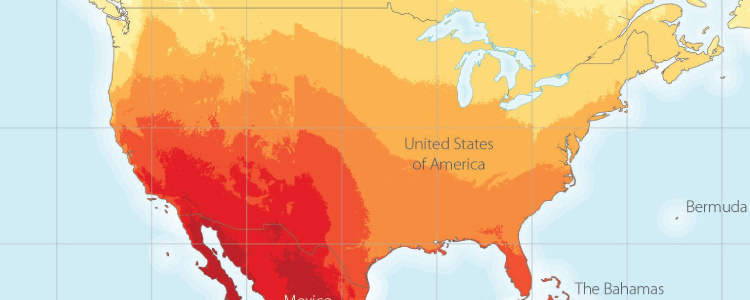
A map of solar exposure levels in the US, provided by NLR (National Laboratory of the Rockies)
These are the solar calculators, resources, and tools we use most often in the process of designing custom solar kits for our customers. If you're researching a DIY solar project, and want to pursue the design process yourself, you'll likely find these tools just as useful as we do.
NREL / NLR (National Laboratory of the Rockies)
Formerly the National Renewable Energy Laboratory, this U.S. Department of Energy-backed research lab was renamed to the National Laboratory of the Rockies in 2025. It is the premier source for comprehensive data and useful tools related to going solar in the US.
We routinely reference NREL reports for current pricing and performance data, based on real-world surveys of installed solar power systems. We also make liberal use of their tools during the system design process:
PVWatts is an invaluable design tool that projects solar performance based on location using real-world data. Input your location, and other system design details, to estimate how much solar you need based on local site conditions.
DSIRE USA (Database of State Incentives for Renewables & Efficiency)
A searchable database of solar incentive programs available in your location. Simply enter your ZIP code to pull up a list of local incentives. Covers tax credits, state rebates, and utility incentives that can significantly reduce system costs.
IronRidge Design Tools (requires free account)
https://www.ironridge.com/design-tools/
A suite of useful tools, mainly focused on designing a sturdy racking foundation for your solar panel array that meets all applicable building codes. Helps with load bearing calculations based on a number of variables (like wind speeds, snow load, and mount type) and provides line drawings useful for permit applications.
American Wire Gauge - Wikipedia article
https://en.wikipedia.org/wiki/American_wire_gauge
Information about standardized wire gauge sizes in the US. We mainly reference the table in this article to look up electrical properties of different wire gauges, in order to determine which is most appropriate for systems with very long wiring runs.
Voltage Drop Calculator
https://www.calculator.net/voltage-drop-calculator.html
Paired with the above article, this calculator helps us determine voltage drop in wiring runs. Some voltage is lost as electrical current travels through the wires; these tools help us determine which wire gauge is needed to keep system voltage within acceptable operating thresholds. In general: long wiring runs cause more voltage drop, and larger wire gauges combat voltage drop, which means that larger wire gauges are necessary for longer runs.
Shadow Calculator
https://dqydj.com/scripts/fullhtml/dates/shadow_length_calculator.html
Solar panels need sunlight to function: shadows from obstacles will impact the true output of your array. This tool projects the length and direction of shadows from different obstacles, based on the time of day as well as the time of year. You can input the height of an obstacle (like a tree in your yard) to determine if the shadow will fall across your solar panels. This helps you decide whether you need microinverters to mitigate shading issues - or need to install your system in another location altogether.
PV Labels
Great source for code-compliant warning labels and signs for PV systems. Proper signage will likely be required to comply with permitting laws - this company sells custom signs based on your provided system design. (We're not affiliated, and we don't get paid to make this recommendation.)
Online Diagram Tool
A free tool for simple diagrams, useful for planning out your solar system design visually. No account required to create or save diagrams, and no watermark.
National Electric Code (NEC) - 2026 Edition
https://www.nfpa.org/codes-and-standards/nfpa-70-standard-development/70
Articles 690, 702, and 705 of the NEC govern safety requirements for installed solar power systems. Most jurisdictions require NEC compliance for permitted installations, so you'll need to reference this if you're pulling permits on your own.
The official handbook costs $150-170 from NFPA, but as of publication, you can view a read-only version of the NEC by signing up for a free account through the link above. If you'd prefer to read or download your own copy, check your local library first - many have current copies available, and some offer free digital access through their systems. If that doesn't work, your local building department may also let you reference their copy during the permit application process.
Free Download: DIY Solar Planning Toolkit
DIY solar has a lot of moving parts: complex permitting applications, unexpected roadblocks, and complex ROI calculations that account for hidden costs and changing utility rate structures. We've compiled everything into one workbook so you can track it all in one place.